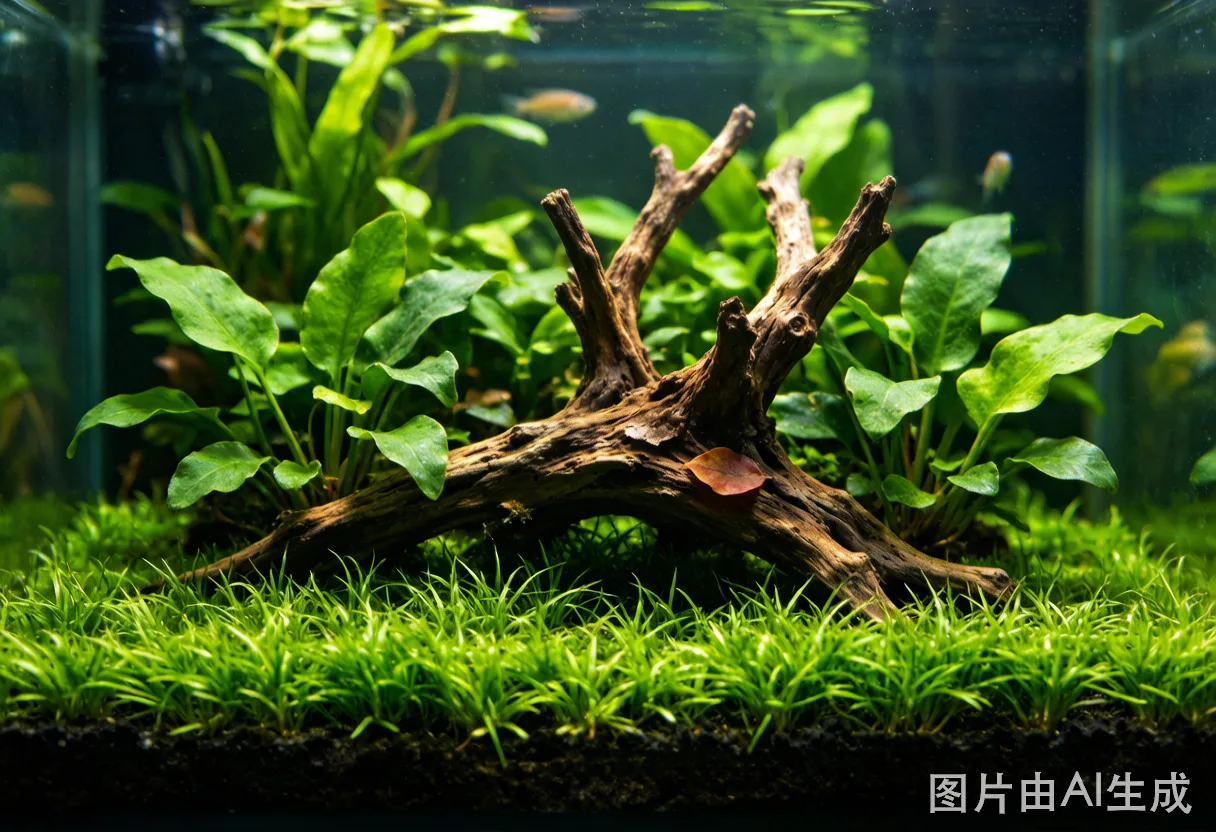
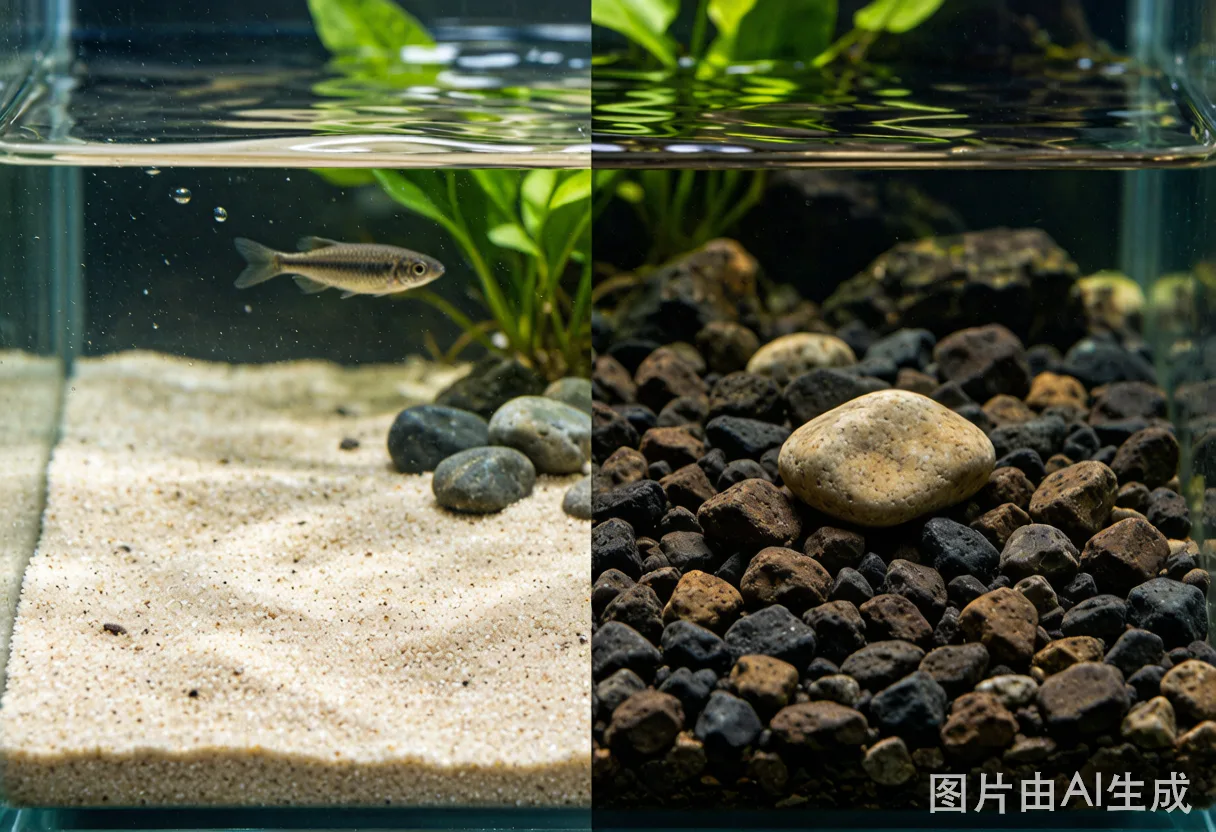
A quarantine tank is the cheapest insurance in the hobby. A simple 10-gallon hospital tank keeps new fish, shrimp and plants isolated for two to four weeks so parasites and disease never reach your display tank.
Why it matters
Most tank-wide outbreaks start with one unquarantined fish. Treating a 55-gallon display is harder, costlier and riskier than treating a small isolated tank. Quarantine protects the fish you already love.
What you need
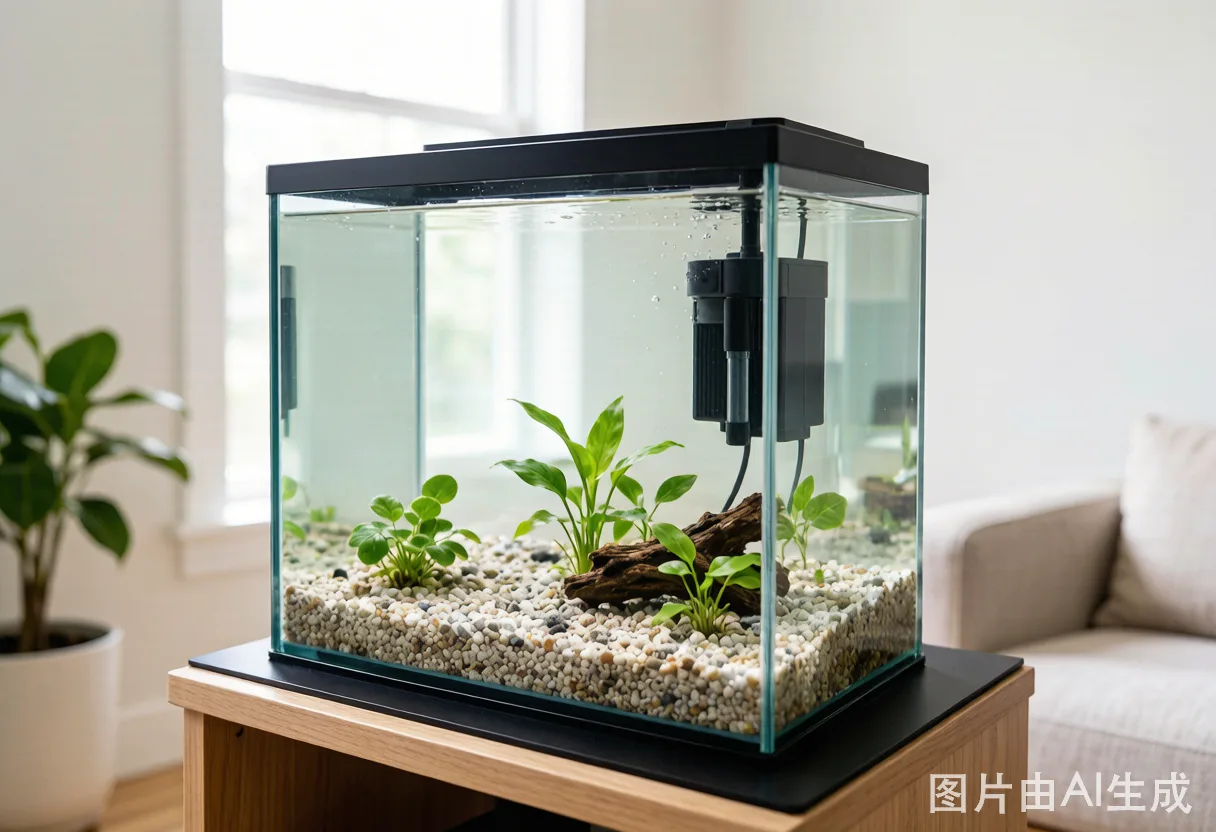
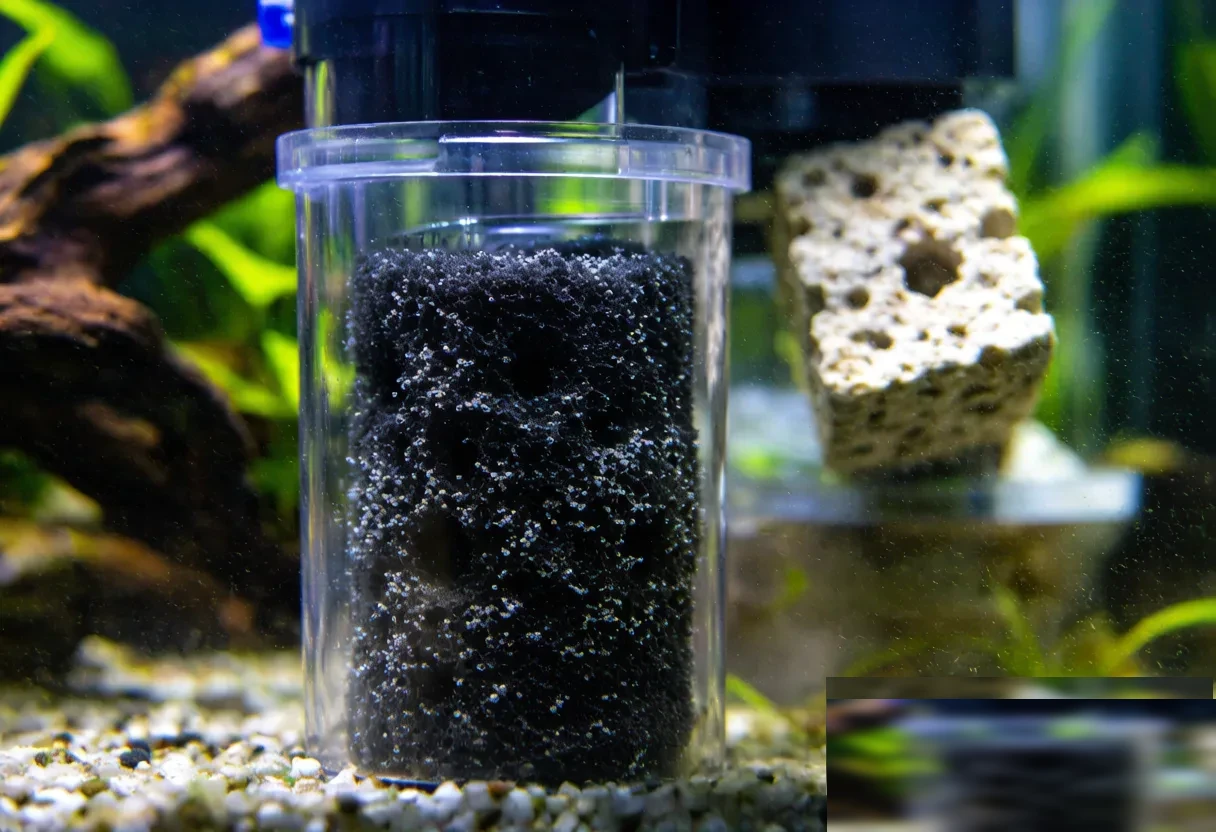
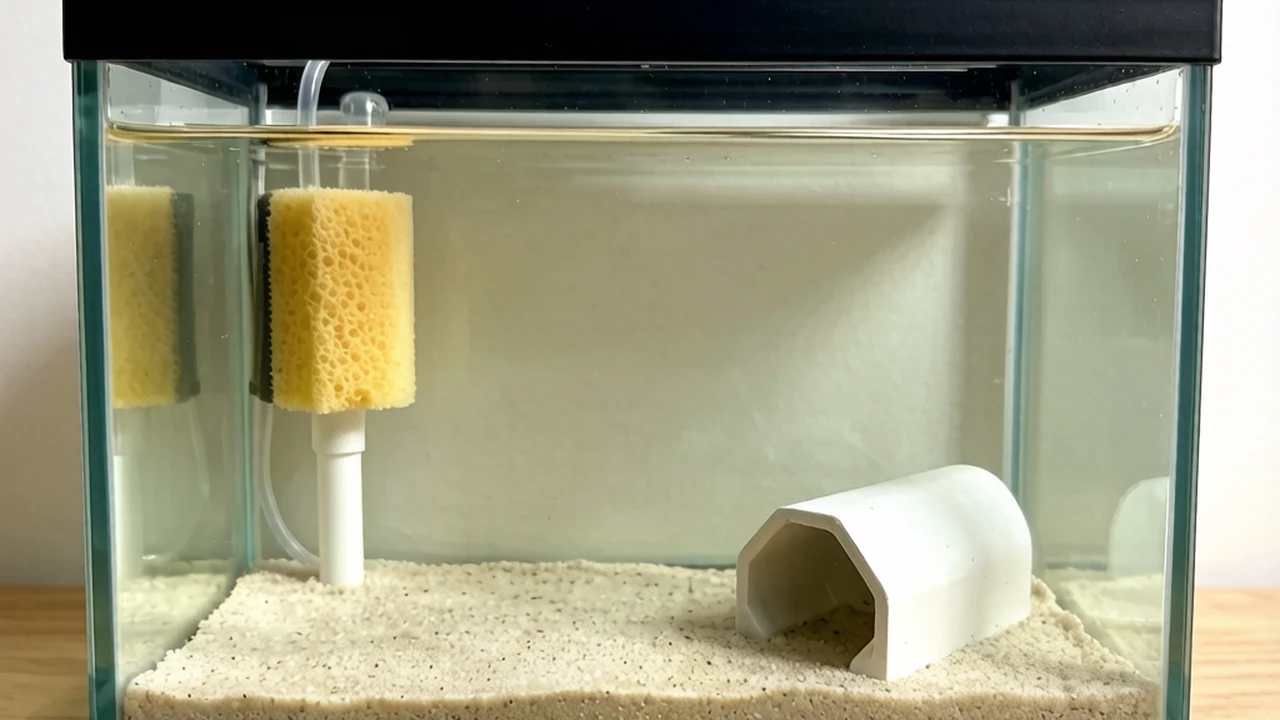
A 10-gallon tank or plastic tub, a sponge filter (cycled from your main tank if possible), a heater, a lid, and a simple air pump. You do not need substrate or lights — a bare tank is easier to keep clean.
Pro tip
Run the quarantine sponge filter in your main tank for a week before you need it, so it carries beneficial bacteria. Then it is instantly cycled when a new fish arrives.
Step by step
- Set up the bare tank with the cycled sponge filter, heater and a hiding spot (a PVC elbow or plant pot works).
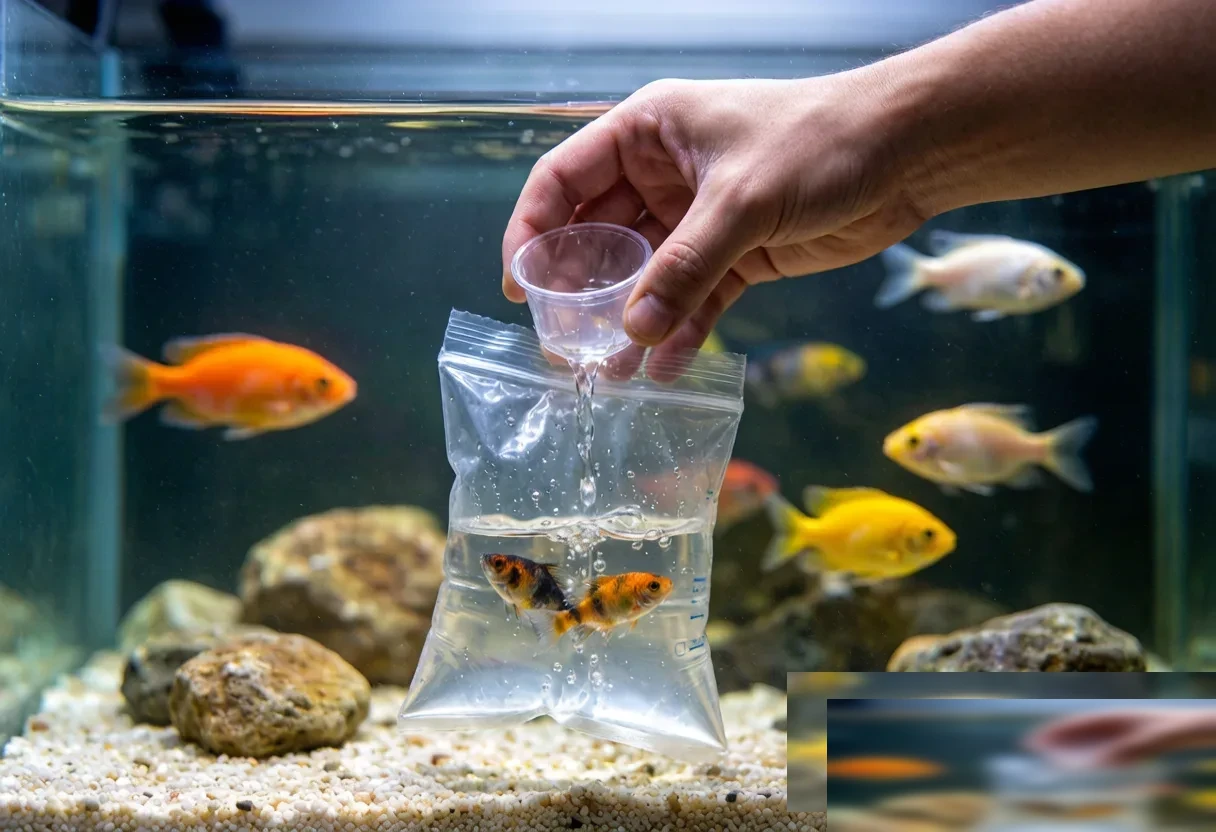
- Acclimate the new fish and move it in. Keep temperature matched to your main tank.
- Observe for 2–4 weeks. Watch for flashing, white spots, clamped fins or appetite loss.
- Only move the fish to the display tank if it eats well and shows no symptoms the whole time.
Common mistakes
The biggest mistake is skipping quarantine to 'save time' — it usually costs far more later. Also avoid medicating preventively without symptoms; that stresses fish and harms filter bacteria.
When to repeat or review
Use it for every new arrival: fish, shrimp, and even plants (a plant-only dip is simpler). Reset and re-cycle the filter between uses.
For background, see the beginner setup guide and all setup guides.
What you need before you start
Every successful how to set up a quarantine tank (and why you need one) rests on the same basics: a properly sized tank, a filter rated for the volume, a heater if you keep tropical fish, a substrate, and a water conditioner. Skipping any one of these is the usual reason beginners hit new tank syndrome.
Step-by-step
Set the tank on a level stand, add substrate and hardscape, fill with dechlorinated water, install filter and heater, then run the tank through the nitrogen cycle before adding fish. Patience here saves more fish than any medicine later.
Common mistakes
The big ones are adding too many fish too soon, forgetting regular water changes, and overfeeding. Each one spikes ammonia and stresses every inhabitant. A simple log of water tests and feeding takes two minutes a week and prevents most disasters.
First inhabitants
Once parameters are stable for a week, add a small group of hardy, peaceful fish and let the biological filter grow with the load. Build up slowly — a lightly stocked, stable tank outperforms an ambitious one that crashed in week two.
What you need before you start
Every successful how to set up a quarantine tank (and why you need one) rests on the same basics: a properly sized tank, a filter rated for the volume, a heater if you keep tropical fish, a substrate, and a water conditioner. Skipping any one of these is the usual reason beginners hit new tank syndrome. Buy once, buy right — a slightly larger tank and a reliable filter save more fish than any additive. Make a written checklist and tick items off as you go so nothing is forgotten on setup day.
Step-by-step
Set the tank on a level stand rated for the weight, add substrate and hardscape, fill with dechlorinated water, install filter and heater, then run the tank through the nitrogen cycle before adding fish. Patience here saves more fish than any medicine later. The cycle establishes the beneficial bacteria that convert toxic ammonia into less harmful nitrate, and it takes a few weeks — there are no safe shortcuts. Use a liquid test kit, not strips, to read the process accurately.
Common mistakes
The big ones are adding too many fish too soon, forgetting regular water changes, and overfeeding. Each one Spikes ammonia and stresses every inhabitant. A simple log of water tests and feeding takes two minutes a week and prevents most disasters. Other frequent errors: placing the tank in direct sun (algae bloom), cramming décor that blocks swimming room, and chasing pH with chemicals instead of stabilising it naturally through water changes.
First inhabitants
Once parameters are stable for a week, add a small group of hardy, peaceful fish and let the biological filter grow with the load. Build up slowly — a lightly stocked, stable tank outperforms an ambitious one that crashed in week two. Feed lightly at first while the filter matures, and resist the urge to 'stock up' the tank in a single shopping trip. Gradual stocking is the kindest and most reliable path to a mature aquarium.