Lighting decides whether your tank looks dull or dazzling, and whether your plants thrive or your algae takes over. The modern answer is almost always an LED, but the settings matter more than the brand.
Colour temperature (Kelvin)
Around 6500K gives a natural daylight look that shows fish colour well and suits plants. Higher Kelvin looks bluer and more 'reef', lower looks warmer and yellower. For freshwater, 6500K is the safe default.
Intensity (PAR) and plants
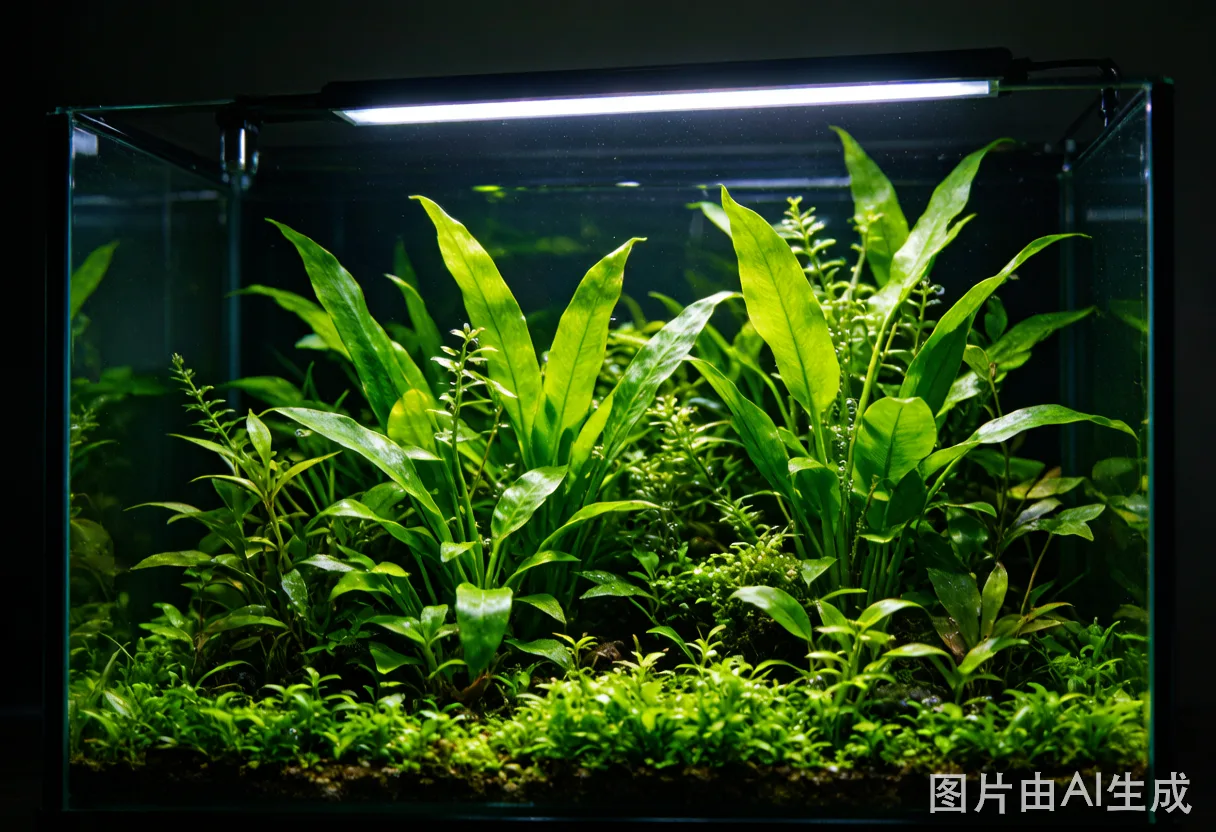
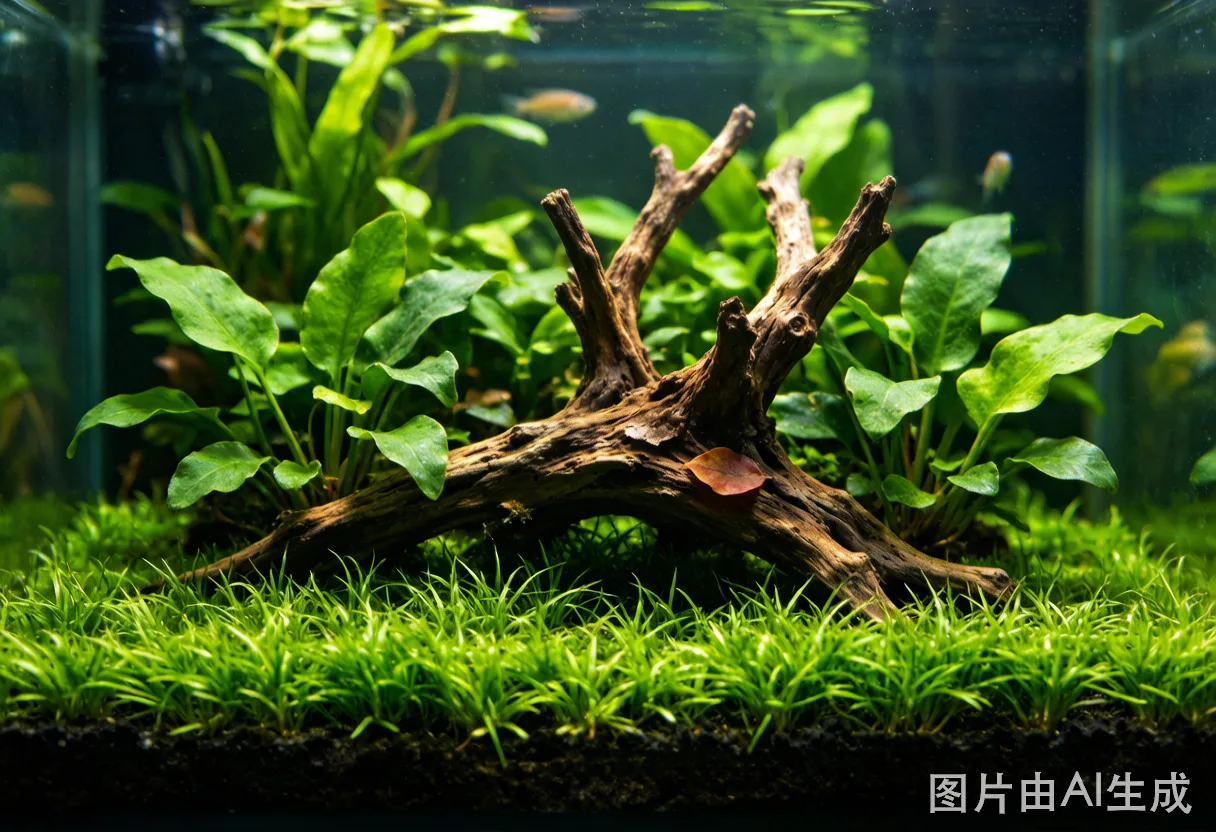
Low-light plants like java fern and Anubias need little; demanding carpeting plants need high PAR. More light is not better: it feeds algae. Match the light to the plants you actually keep.
Pro tip
Put the light on a timer for a fixed 6–8 hour photoperiod. A consistent schedule prevents the algae blooms that come from random, too-long lighting.
Photoperiod
Six to eight hours is plenty for most tanks. If algae appears, shorten the time before buying anything else. A dawn-dusk ramp (gradual on/off) is a nice touch but not required.
What to buy
A full-spectrum LED strip sized to your tank is enough for fish and easy plants. Planted-tank fixtures with higher output and adjustable colour suit demanding layouts. Dimming control helps you dial algae back without guessing.
How to choose the right one
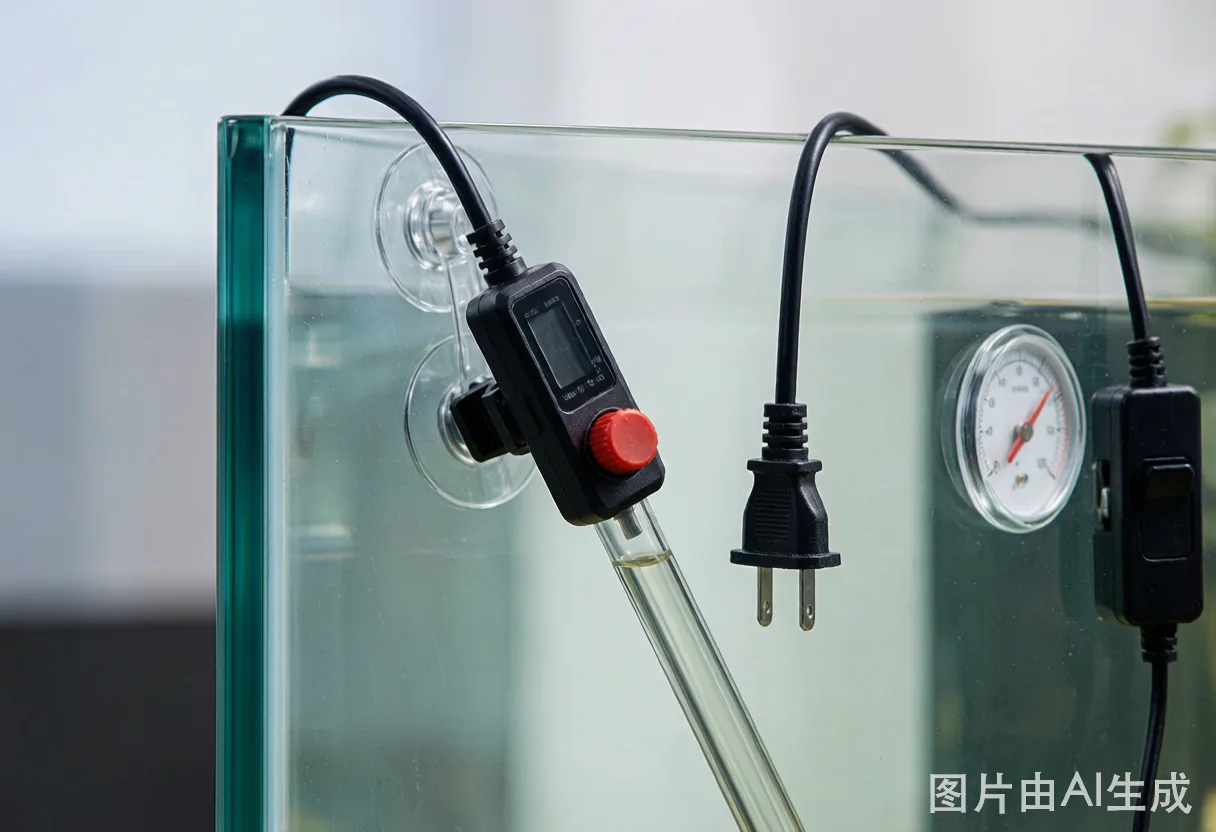
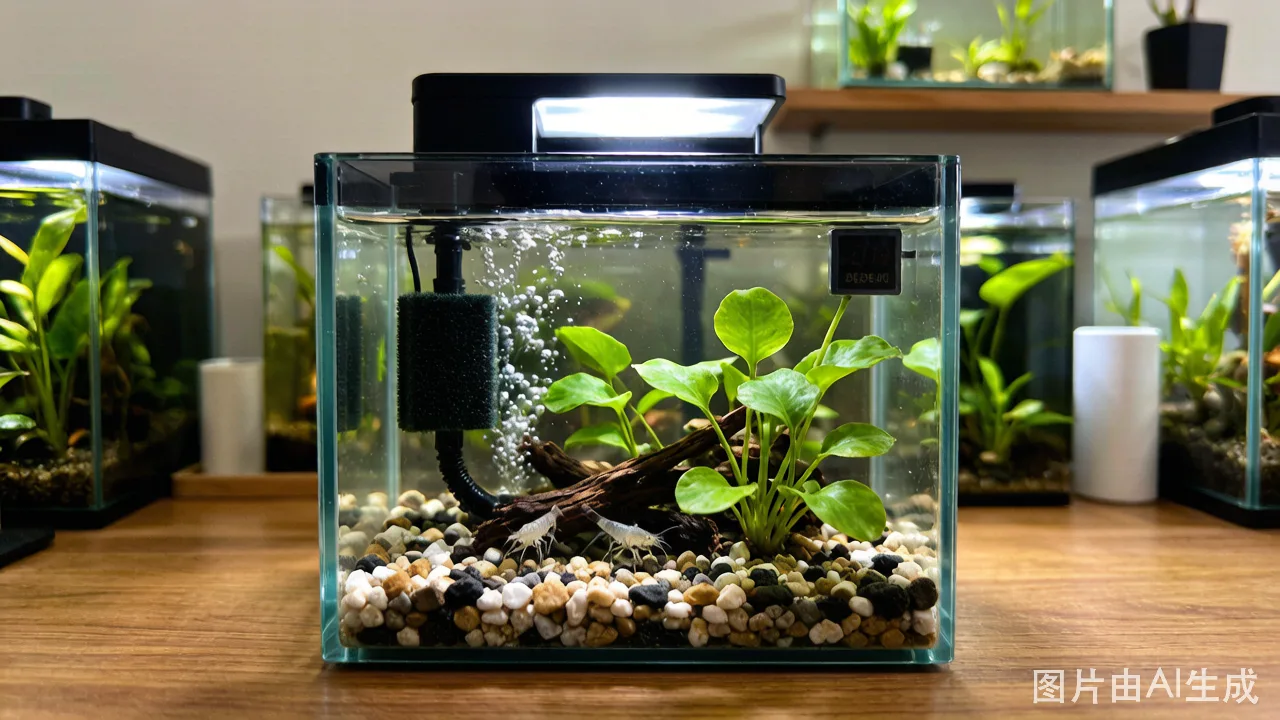
With aquarium led lighting guide: kelvin, par and photoperiod, match the tool to your tank volume and stocking, not to the marketing. A filter or heater sized for a 20-gallon tank will struggle in a 55, and oversized gear can stress sensitive species. Read the spec sheet in terms of your actual water volume.
Setup and maintenance
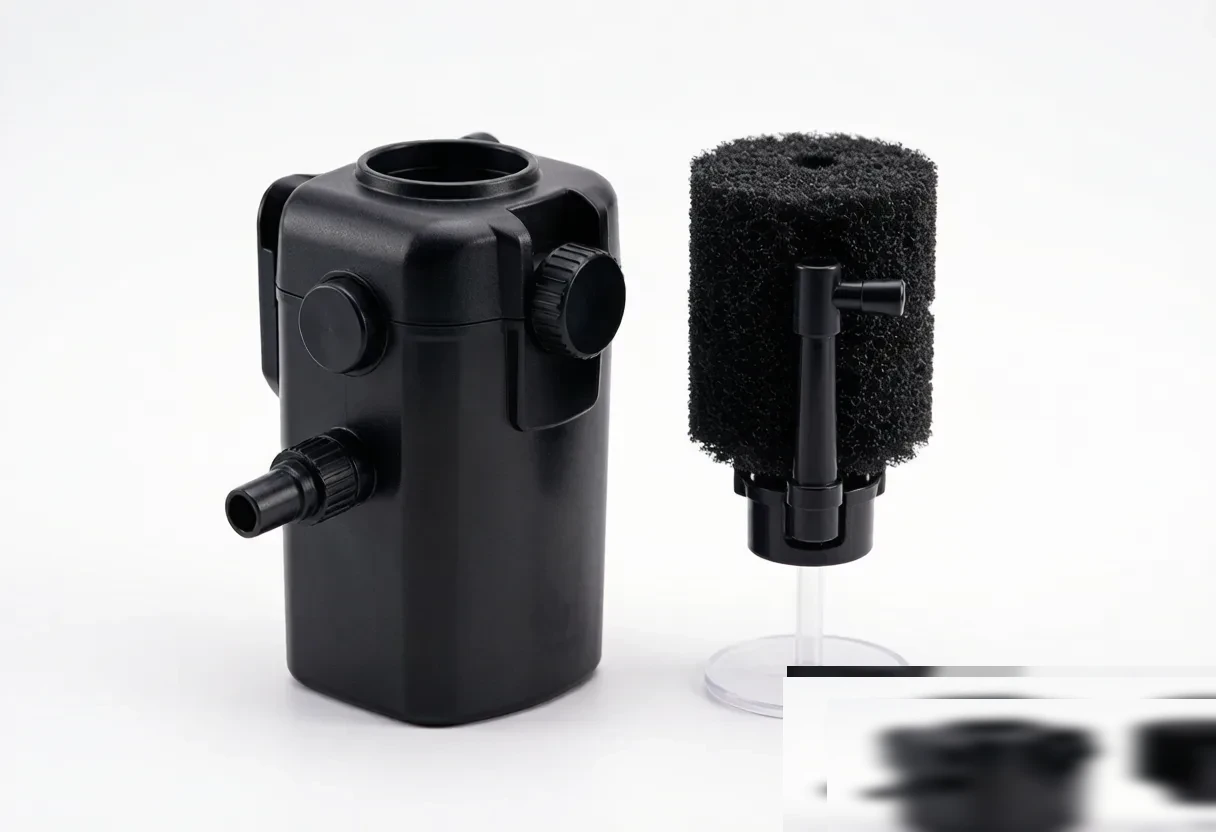
Position the unit for good flow and easy access, then maintain it on a schedule: rinse media in old tank water (never tap water), and check performance during each water change. Well-maintained gear lasts years and keeps water stable between services.
Alternatives at a glance
No single product suits every tank. Compare build quality, running cost, and how much hands-on time you want. For many beginners a simpler, reliable option beats a feature-heavy one they never fully learn to use.
Buying tips
Buy from a retailer with a real return policy, keep the receipt, and resist the urge to overspend on the first model you see. A mid-range unit from a known brand usually beats a cheap unknown on reliability.
How to choose the right one
With aquarium led lighting guide: kelvin, par and photoperiod, match the tool to your tank volume and stocking, not to the marketing. A filter or heater sized for a 20-gallon tank will struggle in a 55, and oversized gear can stress sensitive species. Read the spec sheet in terms of your actual water volume, and add a margin for a planted or heavily stocked tank. Reviews from long-term users beat glossy product photos when it comes to reliability.
Setup and maintenance
Position the unit for good flow and easy access, then maintain it on a schedule: rinse media in old tank water (never tap water, which kills beneficial bacteria), and check performance during each water change. Well-maintained gear lasts years and keeps water stable between services. Keep a spare of critical items — a backup heater or air pump — so a single failure never becomes an emergency that costs fish their lives.
Alternatives at a glance
No single product suits every tank. Compare build quality, running cost, and how much hands-on time you want. For many beginners a simpler, reliable option beats a feature-heavy one they never fully learn to use. Consider energy use too: a device running 24/7 adds up, and a efficient model pays for the price difference over a year of operation.
Buying tips
Buy from a retailer with a real return policy, keep the receipt, and resist the urge to overspend on the first model you see. A mid-range unit from a known brand usually beats a cheap unknown on reliability and spare-part availability. Watch for bundles that include media or fittings you would buy anyway — they are often the better value once you price the extras separately.