A gravel vacuum (siphon) is the tool that makes water changes and substrate cleaning effortless. The right one saves your back and keeps the substrate from turning into a nitrate factory.
What it does
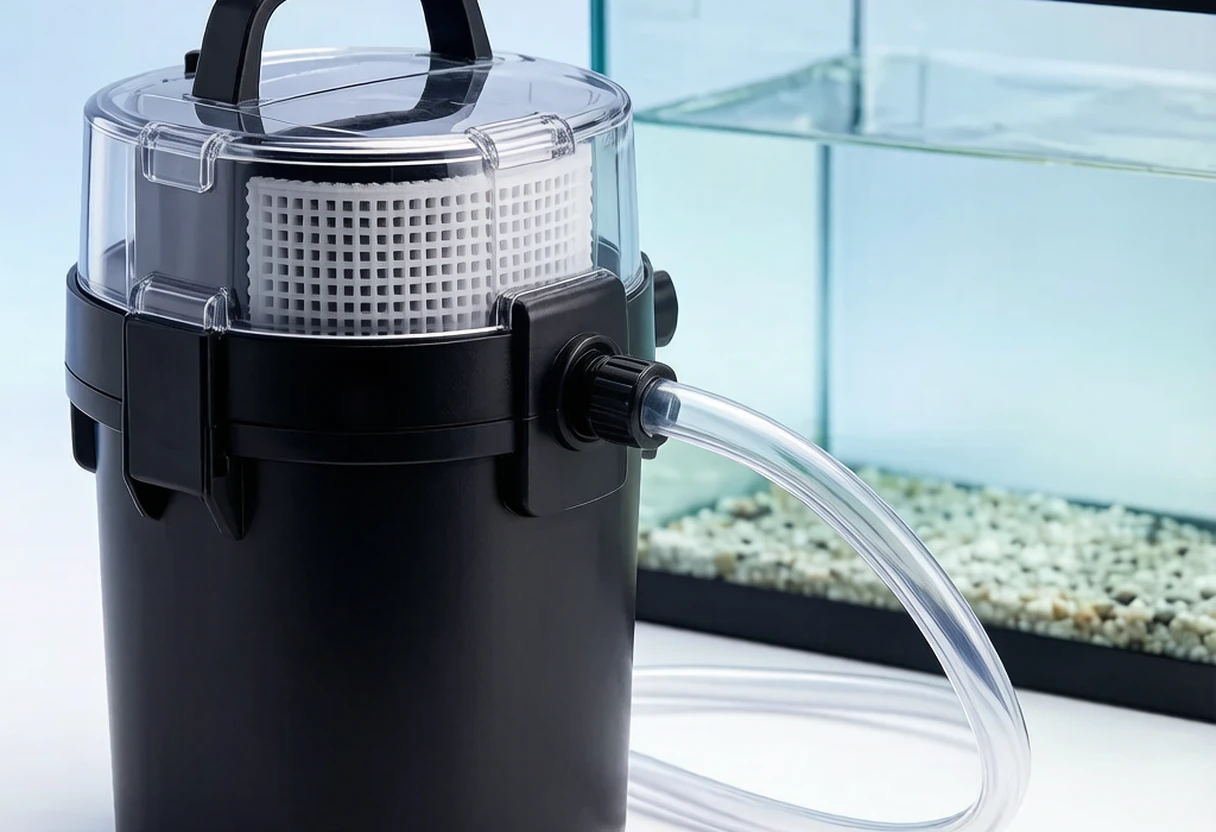
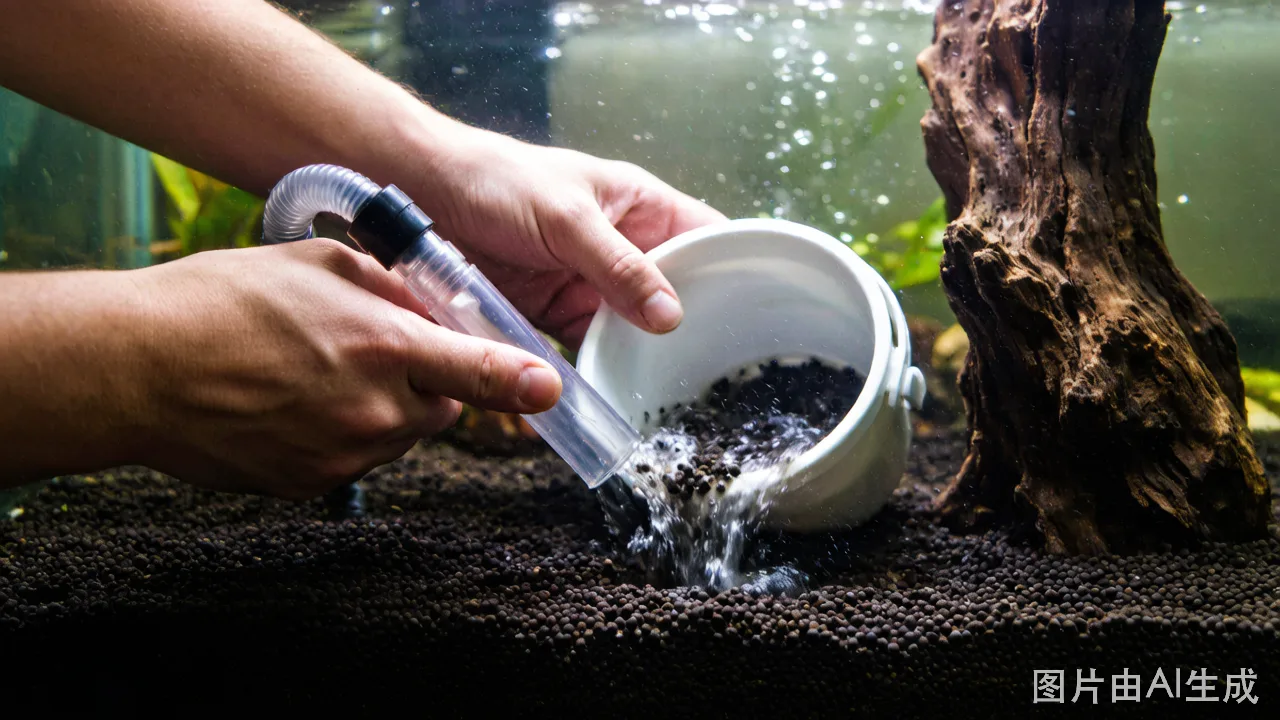
It siphons water while a wide tube lifts debris from between gravel grains. Hose-and-bucket models drain to a bucket; Python-style models connect to a tap for drain-and-fill in one go.
How to choose
For tanks up to 20 gallons a simple bucket siphon is fine. For larger tanks a Python-style hose that attaches to the sink is worth every cent in time saved.
Pro tip
Don't bury the tube deep in sand — wave it just above the surface so you lift mulm without sucking up the whole substrate.
Our shortlist
- Python No Spill Clean and Fill — Best for 30+ gal; drain and refill from the tap.
- Aqueon siphon kit — Solid bucket model for small/medium tanks.
- Laifoo flexible gravel tube — Good reach into deep or shaped substrates.
Setup and placement
Start the siphon (pump or shake), glide the tube over the gravel to lift debris, and stop before you remove more than 30% of the water. Refill with dechlorinated, matched water.
Common questions
Use it weekly during water changes. For sand, hover above the surface rather than digging in, or you will pull the sand straight out.
See also our full gear hub and the FreshwaterNest tools.
How to choose the right one
With best gravel vacuum & water changer: clean substrate, easy changes, match the tool to your tank volume and stocking, not to the marketing. A filter or heater sized for a 20-gallon tank will struggle in a 55, and oversized gear can stress sensitive species. Read the spec sheet in terms of your actual water volume.
Setup and maintenance
Position the unit for good flow and easy access, then maintain it on a schedule: rinse media in old tank water (never tap water), and check performance during each water change. Well-maintained gear lasts years and keeps water stable between services.
Alternatives at a glance
No single product suits every tank. Compare build quality, running cost, and how much hands-on time you want. For many beginners a simpler, reliable option beats a feature-heavy one they never fully learn to use.
Buying tips
Buy from a retailer with a real return policy, keep the receipt, and resist the urge to overspend on the first model you see. A mid-range unit from a known brand usually beats a cheap unknown on reliability.
How to choose the right one
With best gravel vacuum & water changer: clean substrate, easy changes, match the tool to your tank volume and stocking, not to the marketing. A filter or heater sized for a 20-gallon tank will struggle in a 55, and oversized gear can stress sensitive species. Read the spec sheet in terms of your actual water volume, and add a margin for a planted or heavily stocked tank. Reviews from long-term users beat glossy product photos when it comes to reliability.
Setup and maintenance
Position the unit for good flow and easy access, then maintain it on a schedule: rinse media in old tank water (never tap water, which kills beneficial bacteria), and check performance during each water change. Well-maintained gear lasts years and keeps water stable between services. Keep a spare of critical items — a backup heater or air pump — so a single failure never becomes an emergency that costs fish their lives.
Alternatives at a glance
No single product suits every tank. Compare build quality, running cost, and how much hands-on time you want. For many beginners a simpler, reliable option beats a feature-heavy one they never fully learn to use. Consider energy use too: a device running 24/7 adds up, and a efficient model pays for the price difference over a year of operation.
Buying tips
Buy from a retailer with a real return policy, keep the receipt, and resist the urge to overspend on the first model you see. A mid-range unit from a known brand usually beats a cheap unknown on reliability and spare-part availability. Watch for bundles that include media or fittings you would buy anyway — they are often the better value once you price the extras separately.