| Temperature | 20–26 °C (68–79 °F) |
|---|---|
| pH | 6.0–7.0 |
| KH | 1–5 dKH |
| GH | 2–10 dGH |
| Min tank | 10 gal (38 L) |
| Adult size | 4 cm |
| Lifespan | 5–8 years |
| Diet | Omnivore |
| Temperament | Peaceful, schooling |
| Origin | Amazon basin (Peru, Colombia, Brazil) |
| School size | 6+ |
| Good tank mates | corydoras, harlequin rasbora, cherry shrimp, otocinclus |
| Avoid with | oscar, angelfish, large cichlid |
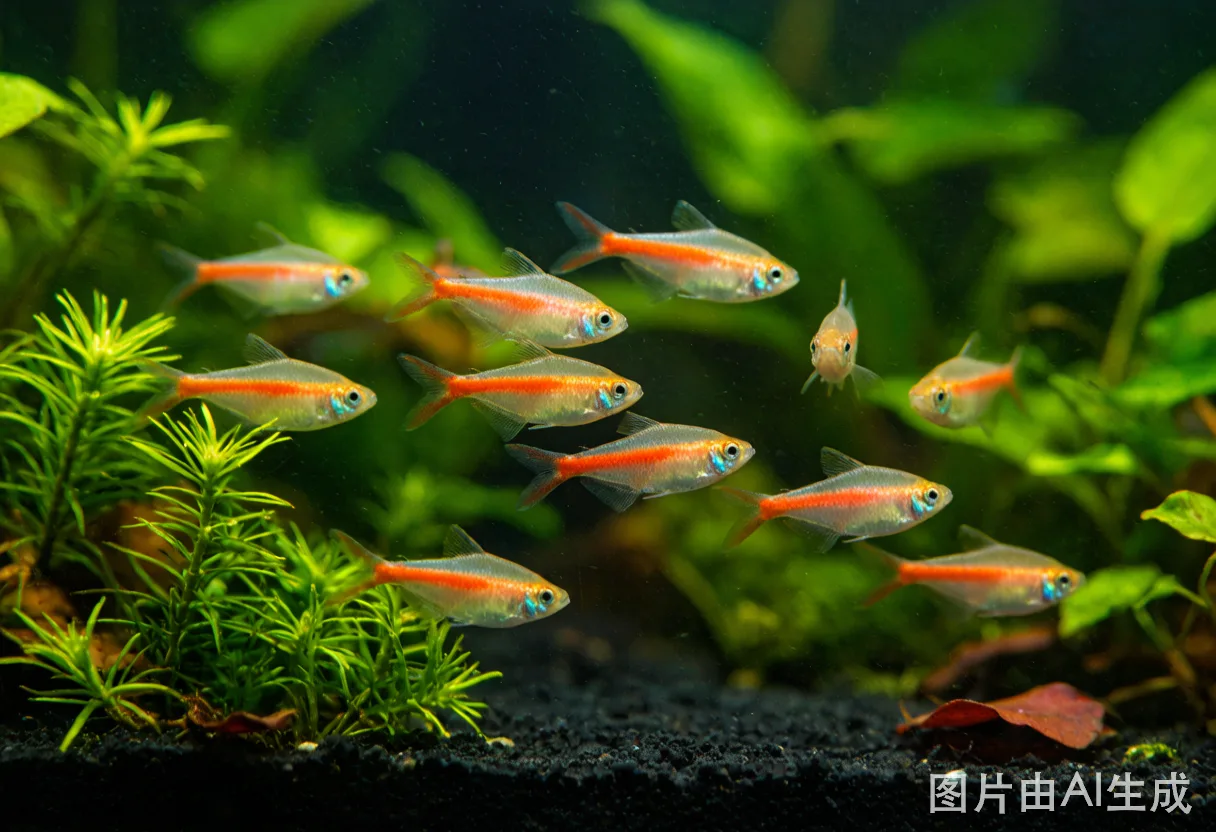
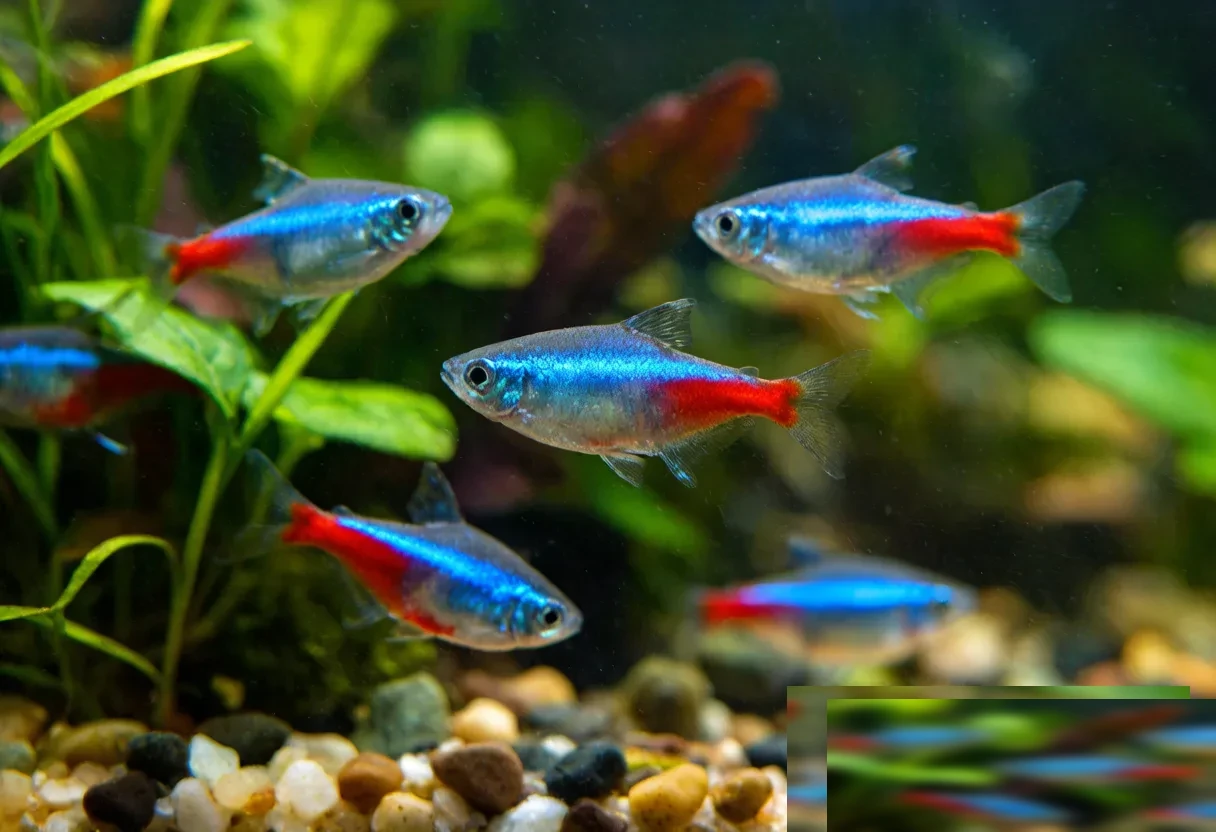
The neon tetra (Paracheirodon innesi) is one of the most popular freshwater fish in the hobby. Its iridescent blue stripe and red band make a planted community tank look alive, and a tight school moving together is genuinely calming to watch.
Behaviour and schooling
Neons are obligate shoalers. Kept in twos or threes they hide, fade, and look stressed. A school of six is the minimum, and ten to twelve is where they really relax and display that synchronized swimming the species is known for.
Tank size and water
A 10-gallon tank supports a small school. Aim for stable, soft, slightly acidic water in the low-to-mid 20s Celsius. Neons are sensitive to ammonia and nitrite spikes, so only add them to a fully cycled tank. Live plants and dim lighting bring out their colour and lower stress.
Diet
They are omnivores. A staple of high-quality micro pellets or crushed flakes, supplemented once or twice a week with frozen brine shrimp or daphnia, keeps colour bright. Feed small amounts once or twice daily; their tiny mouths mean oversized flakes often go uneaten and foul the water.
Tank mates
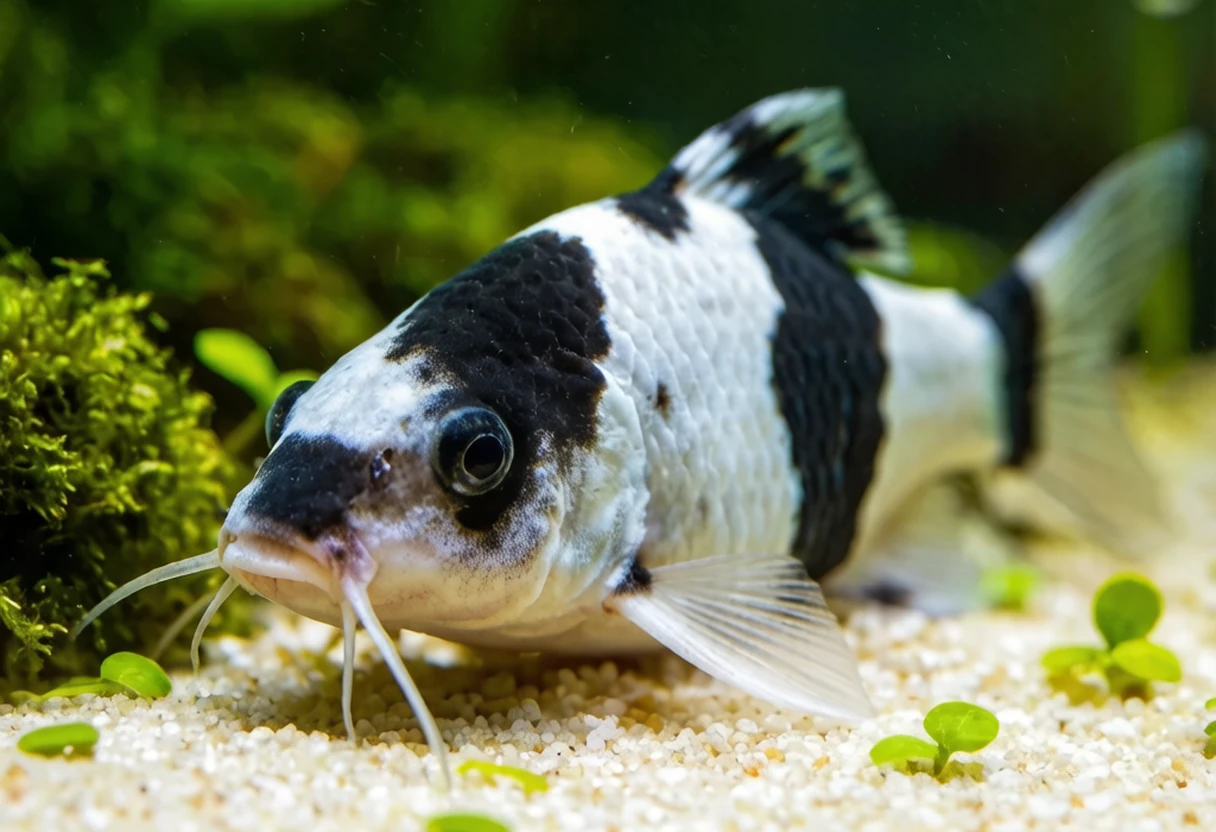
Good companions are other peaceful, small species that share the soft-water preference: corydoras, harlequin rasboras, cherry shrimp, and otocinclus. Avoid large or aggressive fish such as oscars, angelfish, or any big cichlid that would see a neon as food.
Common issues
Neon tetra disease (a microsporidian parasite) has no cure once symptoms show, so quarantine new fish and remove affected ones early. Most other losses trace back to new-tank syndrome: adding fish before the filter has built up beneficial bacteria.
How to recognise a healthy Neon Tetra
Before you buy, watch the tank at the shop for ten minutes. A healthy Neon Tetra (Paracheirodon innesi) is alert and upright, holds its colour, and eats readily. Fins should be intact and unclamped, the belly lightly rounded rather than hollow, and the skin free of white speckling, cottony patches or red streaks. Avoid any fish that sits at the bottom, rubs against decor, or hangs at the surface gasping — those are early signs you may meet common fish diseases soon after purchase.
Tank setup that suits Neon Tetra
In the wild this fish comes from Amazon basin (Peru, Colombia, Brazil). Mirror that at home with a 10-gallon-or-larger tank, a soft sand or fine-gravel substrate, and plenty of live plants or driftwood for cover and territory. Stable warmth around 20–26 °C (68–79 °F) and a gentle but effective filter keep stress low. Keep them in a group of at least 6 so the shoal behaves naturally and no single fish is picked on.
Water parameters
Target 20–26 °C (68–79 °F) and a pH near 6.0–7.0. The single most important rule is stability: a cycled tank with ammonia and nitrite at zero matters more than hitting an exact number. Test weekly, and do regular partial water changes to keep nitrates under control.
Feeding Neon Tetra
They are omnivore by nature, so offer a varied diet: a quality dry staple plus frozen or live foods a few times a week. Feed only what they clear in about a minute, once or twice daily for adults. Overfeeding is the fastest route to poor water quality and ammonia spikes, so when in doubt, feed a little less.
Tank mates
Good companions for Neon Tetra include corydoras, harlequin rasbora, cherry shrimp, otocinclus. Avoid housing them with oscar, angelfish, large cichlid. Always match tank mates by temperament and adult size, not just by how they look in the shop.
Common problems to watch for
Even well-kept Neon Tetra can run into trouble. The most frequent issues are parasitic and bacterial infections, poor water quality, and stress from overcrowding. Quarantine new arrivals in a separate quarantine tank for two to four weeks before they join the main display.
A simple weekly routine
Keep Neon Tetra thriving with a repeatable habit: test water weekly, top up with matched-temperature water during a partial change, wipe algae from the glass, and glance at the filter flow. A calm, consistent routine prevents most problems before they start.
How to recognise a healthy Neon Tetra
Before you buy, watch the tank at the shop for ten minutes. A healthy Neon Tetra (Paracheirodon innesi) is alert and upright, holds its colour, and eats readily the moment food hits the water. Fins should be intact and unclamped, the belly lightly rounded rather than hollow, and the skin free of white speckling, cottony patches or red streaks. Eyes should be clear, not clouded. Avoid any fish that sits on the bottom, rubs against decor, or hangs at the surface gasping — those are early signs you may meet common fish diseases soon after purchase. Buying healthy stock is cheaper than any medicine.
Tank setup that suits Neon Tetra
In the wild this fish comes from Amazon basin (Peru, Colombia, Brazil). Mirror that at home with a 10-gallon-or-larger tank, a soft sand or fine-gravel substrate, and plenty of live plants or driftwood for cover and territory. Stable warmth around 20–26 °C (68–79 °F) and a gentle but effective filter keep stress low, and stress is the root cause of most illness. Keep them in a group of at least 6 so the shoal behaves naturally and no single fish is singled out or picked on. Good planting also gives shy fish somewhere to retreat, which pays off in calmer, healthier behaviour.
Water parameters
Target 20–26 °C (68–79 °F) and a pH near 6.0–7.0. The single most important rule is stability: a fully cycled tank with ammonia and nitrite at zero matters more than hitting an exact number on the dot. Test weekly and act on trends, not single readings. Carry out regular partial water changes to keep nitrates under control, and match the temperature of any new water to the tank so you never shock the fish. A simple log of dates and readings takes two minutes and turns vague worry into clear pattern recognition.
Feeding Neon Tetra
They are omnivore by nature, so offer a varied diet built on a quality dry staple with frozen or live foods a few times a week. Feed only what they clear in about a minute, once or twice daily for adults. Overfeeding is the fastest route to poor water quality and ammonia spikes, so when in doubt, feed a little less rather than a little more. Remove any uneaten food after a few minutes with a fine net or turkey baster. A varied diet keeps colours vivid and the immune system strong; a monotonous one leads to deficiency and faded fish over time.
Tank mates
Good companions for Neon Tetra include corydoras, harlequin rasbora, cherry shrimp, otocinclus. Avoid housing them with oscar, angelfish, large cichlid. Always match tank mates by temperament and adult size, not just by how they look in the shop — a fish that fits the tank at two centimetres may outgrow every neighbour within a year. Add new tank mates to a settled, established tank rather than all at once, and observe for the first hour to catch any chasing early.
Common problems to watch for
Even well-kept Neon Tetra can run into trouble. The most frequent issues are parasitic and bacterial infections, poor water quality, and stress from overcrowding or bullying. Learn the early warning signs now: clamped fins, lost appetite, rapid breathing, flashing against decor, or a change in colour. Catching a problem in the first day or two is the difference between a quick recovery and a tank-wide outbreak. Quarantine new arrivals in a separate quarantine tank for two to four weeks before they join the main display.
Acclimating new Neon Tetra
When new fish arrive, float the sealed bag for 15–20 minutes to equalise temperature, then add a small cup of tank water every five minutes for half an hour so they adjust to your parameters gradually. Net them across rather than tipping shop water into your tank. Dim the lights and keep the room calm for the first evening; a gentle introduction prevents the shock that often precedes illness. Only feed the next day, once they have settled and are swimming normally.
A simple weekly routine
Keep Neon Tetra thriving with a repeatable habit: test water weekly, top up with matched-temperature water during a partial change, wipe algae from the glass, and glance at the filter flow. Watch feeding behaviour every day — a fish that skips a meal is telling you something. A calm, consistent routine prevents most problems before they start and makes the few that appear easy to spot and treat.