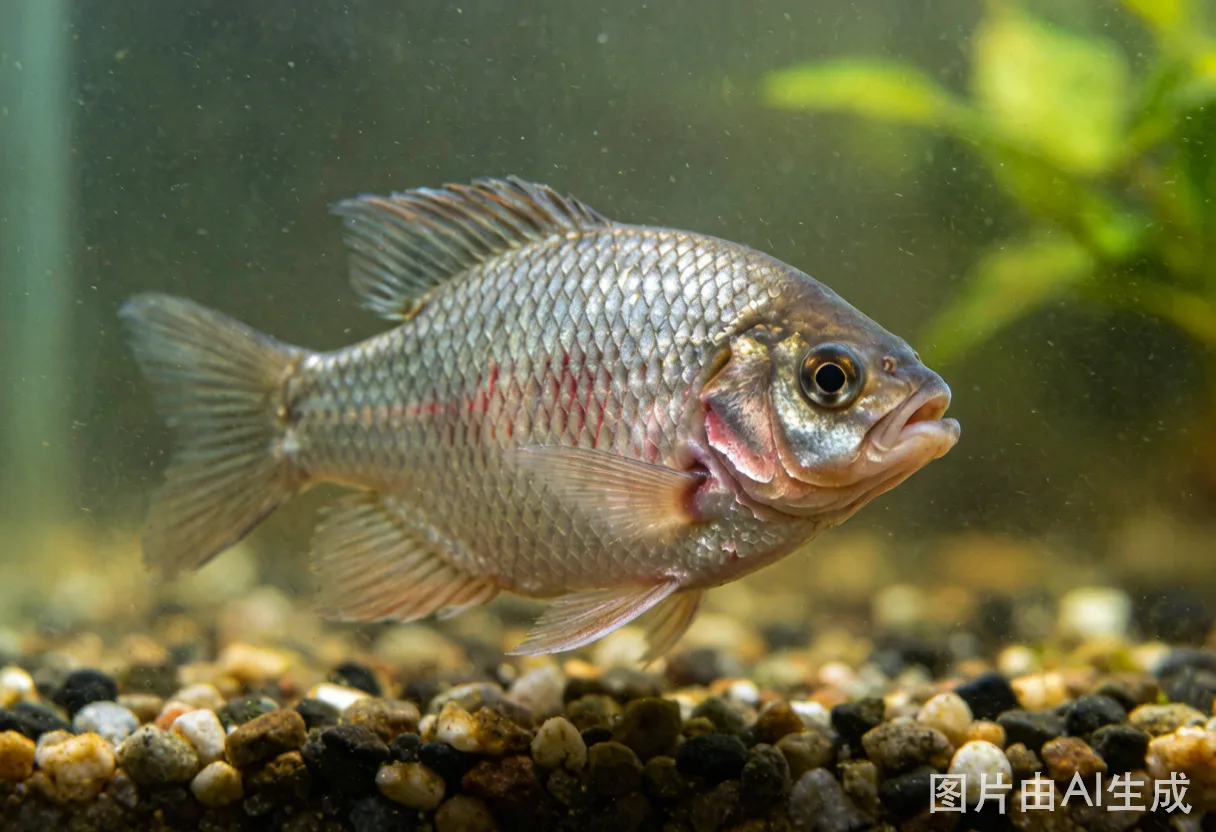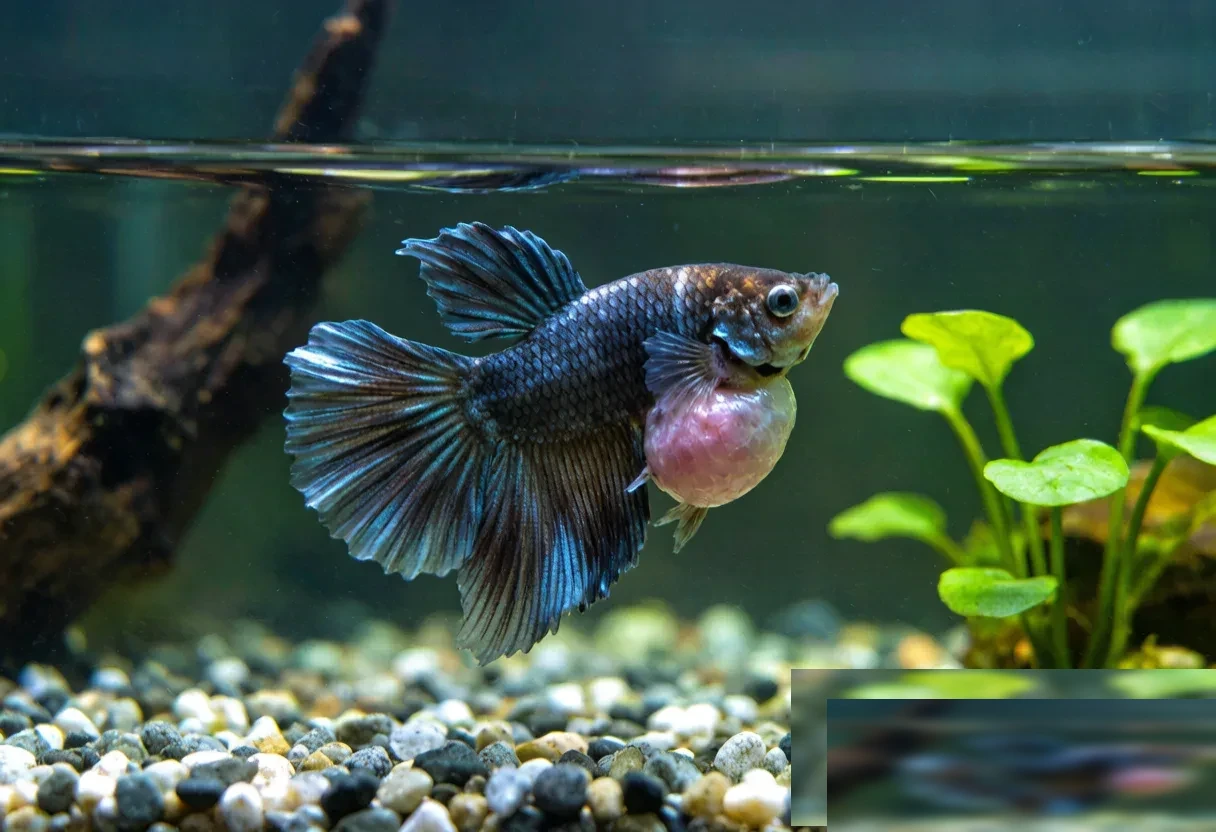
Swim bladder disorder makes fish lose buoyancy — floating nose-up, sinking, or listing. It is a symptom with several causes, often diet-related.
How to recognise it
The fish struggles to stay level: floats at the top, sinks to the bottom, or swims tilted. Appetite may drop.
What causes it
Usually constipation from dry foods, gulping air while feeding at the surface, or occasionally infection or injury.
Heads up
Fasting is the first step, not medication. Over-treating a blocked gut wastes time and stresses the fish.
How to treat it
- Fast the fish for 2–3 days, then feed a peeled, blanched pea to ease constipation.
- Keep the water warm and clean; reduce flow so the fish is not fighting current.
- If no improvement, consider a bacterial cause and a targeted antibiotic in a hospital tank.
Prevention
Soak dry foods before feeding, avoid overfeeding, and vary the diet with greens.
For background, see the nitrogen cycle and our fish health hub.
What causes Swim Bladder Disease: Fish Floating or Sinking
Swim Bladder Disease: Fish Floating or Sinking rarely appears out of nowhere. It is usually triggered by poor water quality, sudden parameter swings, overcrowding, or stress from incompatible tank mates. Understanding the trigger is half the cure, because treating the fish while ignoring the environment only leads to relapse.
Step-by-step treatment
Start by confirming the diagnosis against the signs above, then move the affected fish to a hospital or quarantine tank if practical. Improve water quality first with a partial water change and a check of ammonia, nitrite and nitrate. Follow the recommended medication exactly — dose to the tank volume, complete the full course, and remove activated carbon during treatment. Raise temperature slightly only if the specific treatment calls for it, and monitor closely for the full course.
When to act fast
If a fish is gasping, spinning, or covered in rapidly spreading lesions, treat within 24 hours — delay is the most common reason treatments fail. Isolation reduces stress on the sick fish and protects the rest of the community.
Preventing recurrence
Prevention beats treatment every time. Quarantine all new arrivals, keep the tank cycled, feed a balanced diet, and avoid overstocking. A stable, low-stress tank is the real long-term cure.
What causes Swim Bladder Disease: Fish Floating or Sinking
Swim Bladder Disease: Fish Floating or Sinking rarely appears out of nowhere. It is usually triggered by poor water quality, sudden parameter swings, overcrowding, or stress from incompatible tank mates. Understanding the trigger is half the cure, because treating the fish while ignoring the environment only leads to relapse. Good news: the same habits that prevent most diseases — stable, cycled water and low stocking — also make treatment far more likely to succeed.
Step-by-step treatment
Start by confirming the diagnosis against the signs above, then move the affected fish to a hospital or quarantine tank if practical. Improve water quality first with a partial water change and a check of ammonia, nitrite and nitrate. Follow the recommended medication exactly — dose to the tank volume, complete the full course, and remove activated carbon during treatment. Raise the temperature slightly only if the specific treatment calls for it, and monitor closely throughout. Never mix multiple medications unless a trusted source confirms they are compatible.
When to act fast
If a fish is gasping, spinning, or covered in rapidly spreading lesions, treat within 24 hours — delay is the most common reason treatments fail. Isolation reduces stress on the sick fish and protects the rest of the community from contagion. Keep a basic quarantine setup and a small medication kit on hand so you are never shopping for cures while a fish is declining. Early, decisive action saves more fish than any single product.
Preventing recurrence
Prevention beats treatment every time. Quarantine all new arrivals, keep the tank cycled, feed a balanced diet, and avoid overstocking. A stable, low-stress tank is the real long-term cure. After any outbreak, disinfect nets and equipment, and consider a full course of preventive treatment in the quarantine tank for any fish that shared water with the sick one.